The Definitive 2026 Wedding Planning Timeline: A Data-Driven Strategy
The landscape of wedding planning in 2026 requires a highly systematic approach. The days of relying on abstract inspiration boards and last-minute vendor scrambles are over. Data from 2026 shows the average wedding cost is $34,200. With this level of financial commitment, couples cannot afford to make decisions based on guesswork. You need a structured timeline to manage variables ranging from budget allocation to vendor availability.
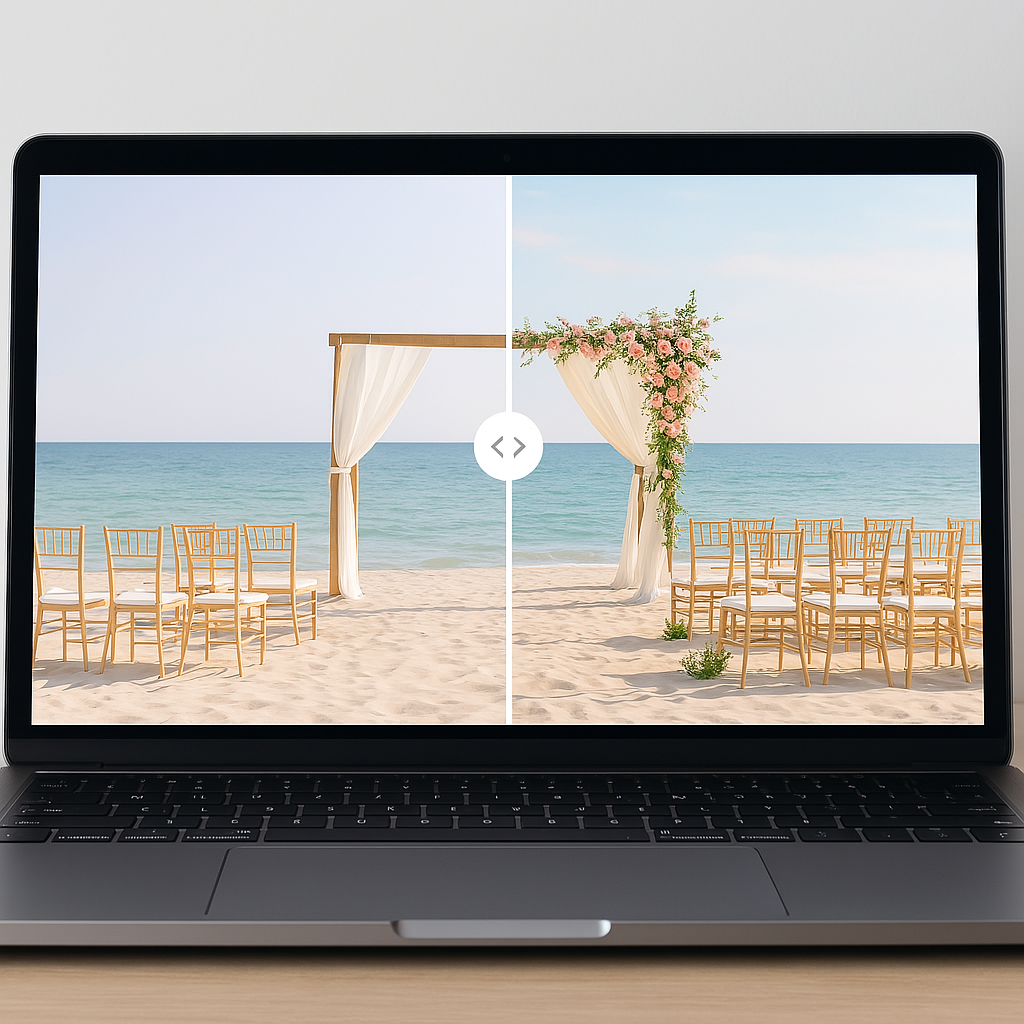
The most common point of failure in this process is the visualization gap. Couples routinely tour empty rooms and struggle to imagine how a $5,000 floral budget will actually look within that specific space. This uncertainty leads to expensive over-ordering or disappointing final results. The solution requires a modern toolstack. VenuePreview is an AI-powered visualization service that turns photos of empty or undecorated venues into photorealistic renderings of your specific design vision. If you are starting your planning journey today, discover how you can see your venue fully decorated before signing a single contract.
Here is a complete 12-month strategic wedding planning timeline calibrated for the realities of 2026. You should use this as an operational checklist. If your engagement is shorter than a year, simply start at the month you are currently in and execute forward.
12 Months Out: Set Your Foundation
The 12-month mark is about establishing constraints. Planning a large event without clear constraints leads to scope creep. Your key goals right now are defining your date range, setting a budget framework, estimating your guest count, and deciding on a high-level vision.
1. Talk budget + priorities
Decide exactly who is contributing to the wedding fund and establish a definitive total number. You must keep combined venue, food, and bar at 45 percent or less of the total budget. This strict ratio ensures you preserve adequate capital for photography, attire, florals, and music. Choose two or three non-negotiables to prioritize your spending.
2. Draft your guest list
Create A and B lists if necessary. You need a realistic headcount immediately. Guest count is the single largest driver of variable costs. A venue that comfortably holds 100 people will feel disastrously crowded with 150. Do not fall in love with a space until you know your numbers.
3. Choose your general wedding timing
Target a specific month or season of 2026 and pick your preferred day of the week. You must consider seasonal weather patterns, holiday travel surcharges, and guest convenience. Off-peak months often yield better vendor availability and favorable pricing structures.
4. Start venue research
Build a shortlist of five to ten venues that align with your required capacity, budgetary constraints, and aesthetic preferences. Download their rate sheets, capacity charts, and sample floor plans. Treat this like an initial vendor audit.
5. Gather visual inspiration
Start pinning decor ideas, color palettes, and ceremony backdrops. Save photographs of actual spaces that match your target aesthetic. Look for structural elements you like in lofts, barns, luxury hotels, or botanical gardens.
6. Set up planning tools
Create a dedicated email address strictly for wedding correspondence. This prevents critical contracts from getting buried in your personal inbox. Set up shared digital folders for budget tracking spreadsheets, guest list databases, and vendor agreements.
VenuePreview Tip (Start Here): As you tour these early venues, take clear photographs of the empty spaces. Capture the ceremony site, the main reception room, and the cocktail area. Upload one to three images to VenuePreview. This allows you to evaluate how each venue looks fully decorated in your desired style before you commit a deposit.
11 Months Out: Lock In Your Venue & Date
This phase transitions from research to commitment. You must secure your location to anchor all subsequent logistical decisions.
1. Tour and compare venues
Ask direct, operational questions during your site visits. You need to verify maximum capacity limits and minimum spend requirements. Scrutinize their rain plans for outdoor spaces. Clarify exactly what inventory is included in the rental fee, such as chairs, linens, or existing lighting rigs. Take wide-angle photos of every blank room.
2. Use visualization to choose smart
Upload your favorite venue photographs to VenuePreview. You can preview multiple design variations to stress-test your aesthetic concepts. Generate a classic black-tie setup, contrast it with a modern minimal look, and see which genuinely fits the architecture. Share these visual outputs with your partner to make an objective choice based on reality instead of imagination.
3. Book your venue + set your official date
Sign the contract and wire the deposit. Verify your exact start and end times. Confirm the load-in windows for vendors and establish absolute clarity on noise curfews to avoid municipal fines.
4. Research high-demand vendors
The current market moves aggressively. Vendors book 12 to 18 months in advance for peak season dates. You must begin outreach to top-tier photographers, videographers, full-service planners, bands, and outside caterers immediately upon securing your date.
10 Months Out: Build Your A-Team
With your location secured, you must assemble the operational team that will execute the event. Delaying vendor acquisition at this stage introduces massive execution risk.
1. Book key vendors
Execute contracts with your photographer and videographer. Secure a professional coordinator. Full-service or month-of coordination has transitioned from a luxury to an operational necessity. Book your primary entertainment and finalize catering contracts if your venue permits outside vendors.
2. Decide your style & color story
Lock in one or two primary colors and select two to three accent tones. Clarify the specific environmental feel. Current 2026 design trends favor highly textured aesthetics. Expect to see layered metallic silver accents paired with elevated earth tones like Denver Chestnut or rich jewel tones.
3. Start attire shopping
Begin your search for the primary wedding dress or custom suit. Production supply chains are slow. Always ask the boutique for precise order and alteration timelines, as these often span six to nine months.
4. Plan your engagement session
Coordinate your outfits and select locations that subtly hint at your ultimate wedding aesthetic. This session acts as a crucial dry run with your photographer to establish rapport and understand their directing style.
VenuePreview Tip (Design Direction): Now that you know your venue and general style, run a second visualization session. You need to see your venue as it will look under different lighting conditions. Test a dusty blue palette against a champagne setup. Generate 40 to 200 variations and download the best outputs to serve as an immutable visual brief for your vendors.
9 Months Out: Guest Experience & Logistics
The nine-month mark shifts focus toward guest logistics and detailed environmental design.
1. Finalize your guest list
Separate the list into distinct cohorts. Distinguish between adult-only invitations and families with children. Categorize local attendees versus out-of-town travelers. Begin systematically collecting physical mailing addresses.
2. Research florists & decor vendors
Share your VenuePreview renderings with prospective florists. Data from 2026 shows the average wedding floral budget is $2,800. By providing photorealistic images instead of vague Pinterest boards, florists understand your exact vision immediately. Demand proposals based strictly on what they see in the renderings.
3. Look into hotel room blocks
Reserve blocks of rooms near the venue at one or two distinct price points. Negotiate discounted group rates. Investigate local shuttle services to transport guests safely between the hotel and the reception space.
4. Start thinking rental needs
Audit the venue inventory against your design needs. Determine if you require upgraded chairs, premium linens, custom charger plates, lounge furniture groupings, or specialized architectural lighting.
8 Months Out: Save-the-Dates & Ceremony Details
Communication protocols begin now. You must alert your network and establish the framework for the ceremony itself.
1. Book your officiant
Decide between a professional officiant, a friend, or a family member. If a personal connection is officiating, verify they comprehend the strict legal protocols required by your state to ensure the marriage is legally binding.
2. Design & send save-the-dates
You must send save-the-dates 6 to 12 months in advance. This is critical for holiday weekend events or destination weddings. Include the URL to your wedding website so guests can access early travel information.
3. Plan your ceremony structure
Define the operational flow of the ceremony. Choose between traditional vows, highly personal statements, or a hybrid structure. Select your readings, confirm musical transitions, and map out any cultural rituals.
4. Start thinking wedding party attire
Establish the color constraints, dress lengths, and overarching level of formality for your wedding party.
VenuePreview Tip (Ceremony Focus): Upload a high-resolution photograph of your ceremony location. Command VenuePreview to render different aisle styles, contrasting ground florals against simple candle arrays. Test various arch geometries to find a backdrop that scales correctly with the height of your venue ceiling.
7 Months Out: Dress Orders & Design Commitments
Supply chain lead times dictate your actions this month. Attire and floral commitments cannot be delayed further.
1. Order your wedding attire
Commit to the dress, veil, or custom tuxedo. You must order dresses 6 to 9 months in advance. Instruct your tailor to block out specific alteration windows in their calendar to guarantee availability as your date approaches.
2. Book your florist
Use your visualization outputs as the definitive visual contract. Decide if ceremony installations can be repurposed as reception focal points to optimize your budget. Finalize the scope for bridal bouquets, boutonnieres, and table centerpieces.
3. Discuss rentals with vendors
Finalize the macro rental orders. Lock in the quantities for specialty seating, custom draping installations, flatware, and specialty bar structures.
4. Start hair & makeup artist research
Request portfolios that align precisely with your target aesthetic. You should book beauty professionals 9 to 12 months out for peak season dates.
6 Months Out: Details & Decor
The six-month milestone is about refining the granular details that dictate the guest experience and environmental ambiance.
1. Book hair & makeup team
Sign the beauty contracts and secure the date with a deposit. Schedule your formal trial session for the three to four-month window.
2. Plan entertainment extras
Audit your event flow for dead space. Consider booking ceremony musicians, a premium photo booth, or a live event painter to enhance the cocktail hour experience.
3. Begin decor & signage planning
Map out the required physical collateral. This includes the welcome sign, seating chart displays, table numbers, and bar menus. Decide if you will source these from a bespoke stationer or execute them yourself.
4. Menu planning
Coordinate with your caterer to schedule formal menu tastings.
VenuePreview Tip (Decor Clarity): Run a highly focused visualization session strictly on your reception space. You need to visualize your wedding before you spend heavy capital on rentals. Test tablescapes by comparing long communal tables against standard rounds. Evaluate the density of table runners and candle layouts. Package your favorite renderings into a PDF to serve as the master design packet for your vendor team.
5 Months Out: Invitations & Timeline Sketch
Operational planning shifts toward guest communication and internal timeline structuring.
1. Design your invitations
Develop the formal invitation suite. Ensure the typography and paper quality match the formality of your event. Finalize the exact wording, the RSVP collection method, and establish a firm reply deadline.
2. Sketch your day-of timeline
Draft the master event schedule. Start at the ceremony kickoff time and calculate backward to establish precise windows for hair, makeup, formal portraits, and the first look. Confirm these time blocks with your photographer and coordination team.
3. Plan transportation
Finalize the logistical movement of humans. Secure vehicles for you, the wedding party, and any necessary guest shuttles between disparate venues.
4. Confirm honeymoon basics
Execute bookings for flights and premium accommodations if you intend to travel immediately following the reception.
4 Months Out: Trials & Final Design Decisions
This month acts as the final quality control checkpoint before production begins.
1. Hair & makeup trials
Execute your beauty trials. Take objective photographs in bright, natural light. Document exactly what variables require adjustment, such as lash volume, lip pigment, or structural hold.
2. Final decisions on rentals & decor
Use your visualization outputs to lock in the final linen textures and chair styles. Confirm your baseline inventory counts based on current guest list projections.
3. Book cake/dessert vendor
Execute the dessert tasting. Finalize flavor profiles and structural design elements that integrate smoothly with your room aesthetics.
4. Confirm ceremony & reception music
Build the master tracklist. Lock in specific versions of songs for the processional, recessional, first dance, and the final send-off track.
Cost-Saving with VenuePreview: If a specific floral setup looks incredible in a rendering but the actual quote destroys your budget, use the platform to scale back strategically. You can save money on décor mistakes by simulating a reduction in tall floral pieces and increasing candle density. This allows you to verify that the cheaper alternative still achieves the desired visual impact.
3 Months Out: Invitations Go Out
Execute the final wave of guest communications and lock in operational flows.
1. Mail invitations
Drop the physical invitations in the mail eight to ten weeks prior to the event. Set your RSVP deadline exactly four to five weeks before the wedding date.
2. Finalize menu & bar
Execute the tasting if pending. Lock in the final protein selections, confirm allergy accommodations, and finalize the bar inventory.
3. Meet your planner/venue coordinator
Conduct a detailed walk-through of the operational flow. Map the exact movement from the ceremony, into the cocktail space, and through the reception doors.
4. Plan favors & welcome items
Source and assemble any guest favors or welcome bags. Ensure the packaging aligns with the broader design framework.
2 Months Out: Confirmations & Seating Logic
This phase is highly administrative. You are tracking data and organizing human logistics.
1. Track RSVPs
Monitor incoming replies daily. Systematically follow up with delinquent guests. Update the master database with precise headcount numbers.
2. Begin seating chart planning
Group humans logically by relationship dynamics and age brackets. Decide firmly between rigidly assigned individual seats or looser assigned tables.
3. Vendor check-ins
Distribute final instructions. Provide the photographer with the mandatory family shot list. Send the DJ the strict do-not-play list. Review the final script with your officiant.
4. Final attire items
Secure your specific undergarments and shoes. Ensure final dress alterations are nearing completion.
VenuePreview Tip (Seating + Layout): Utilize your reception renderings to solve spatial puzzles. Map exactly where the dance floor naturally fits. Determine the optimal placement for the sweetheart table to maximize sightlines. Strategically position the bars and photo booths in areas that prevent traffic bottlenecks.
1 Month Out: Final Numbers & Payments
The project transitions fully into the execution phase. All variables become fixed constants.
1. Final headcount to venue/caterer
Deliver the immutable guest count. Provide exact breakdowns of entrée selections to the kitchen.
2. Confirm all vendor logistics
Distribute the finalized load-in schedule. Confirm parking procedures, arrival times, and emergency contact protocols. Share your compiled visualization PDF one final time to guarantee absolute visual alignment.
3. Create your detailed day-of timeline
Finalize the minute-by-minute breakdown. Detail the getting-ready blocks, precise photography windows, the ceremony sequence, and the exact timing for toasts and formal dances.
4. Plan your day-of kit
Assemble a tactical emergency bag containing stain removers, fashion tape, safety pins, pain relievers, and backup phone power banks.
2 Weeks Out: Micro-Details
Manage the final administrative outputs and physical preparations.
1. Finalize seating chart
Export the locked data from your guest management tool. Send the files to print for your physical escort cards or display boards.
2. Confirm music & ceremony
Audit the exact timestamps for crucial audio cues. Ensure the officiant and planner possess the finalized run-of-show documents.
3. Distribute your timeline
Email the master schedule to all vendors, the wedding party, and key family stakeholders.
4. Break in your wedding shoes
Wear your event footwear around the house consistently to mitigate blister risks on the day of the event.
1 Week Out: Prep & Rehearsal
Focus purely on staging and delegation.
1. Pack wedding-day items
Secure the marriage license, physical rings, written vow books, and your emergency kit in a designated staging area.
2. Rehearsal + rehearsal dinner
Execute the physical walk-through of the processional. Assign clear areas of responsibility to your wedding party to insulate yourself from day-of questions.
3. Final payments & tips
Pre-package all final vendor checks and cash gratuities into clearly labeled envelopes. Delegate the distribution to your planner or a highly trusted proxy.
4. Backup your visuals
Save your high-resolution VenuePreview renderings locally to your smartphone. This provides instant reference material if a vendor asks a last-minute question regarding centerpiece placement.
Wedding Day: Trust the Plan
The planning phase is terminated. You are now in the experience phase.
1. Hand off
Transfer all logistical authority to your designated point person or professional coordinator. Relinquish control over the timeline.
2. Let the visuals guide setup
Your vendor team already possesses the photorealistic blueprints of the room. They will execute the setup based on the agreed-upon digital models.
3. Be present
You engineered this event systematically over twelve months. Trust the frameworks you built, ignore minor deviations, and actually experience the celebration you funded.
Free & Helpful Tools
You should deploy a specific stack of digital platforms to manage this process. Use Zola or The Knot as your primary database engines for budget tracking, guest list management, and RSVP collection. Leverage specialized layout tools to handle the mathematical puzzle of seating charts.
VenuePreview does not replace these administrative tools. It acts as the visual operating system for your design decisions. It integrates seamlessly into this stack, allowing you to anchor your abstract spreadsheets and mood boards in photorealistic reality.
Where to Start Today (May 2026)
If you are getting married in 2026, the clock is actively running. Vendor inventory is shrinking daily, and costs are compounding. You need clarity immediately to prevent capital waste on disjointed decor concepts.
Take a clean photograph of your target venue. Define your preferred aesthetic style. Let our AI process the variables. In 10 to 25 minutes, you will possess up to 200 high-fidelity renderings of your exact space. We offer Basic, Premium, and Luxury packages, allowing you to choose your package based on your budget and need. This data allows you to direct vendors with absolute authority, eliminate expensive trial-and-error rentals, and strip the anxiety out of the design process.
Stop guessing what your wedding will look like. Start visualizing your venue right now to ensure every subsequent decision on this timeline is executed with total confidence.
Related Posts
- Top Wedding Planning Apps to Use in 2026 for a Flawless Day
- Top Wedding Planning Tools for Seamless Vendor and Guest Coordination (2026 Guide)
- Navigating Wedding Venues: How Many Should You Consider Before Deciding in 2026?
- Ultimate Wedding Planning Resources for 2025–2026 Couples
- Essential Wedding Planning Apps for a Stress-Free 2026
Ready to Visualize Your Wedding Venue?
See exactly how your venue will look on your wedding day with AI-powered visualizations. Get started in minutes with packages starting at just $19.