Top Wedding Planning Tools for Seamless Vendor and Guest Coordination (2026 Guide)
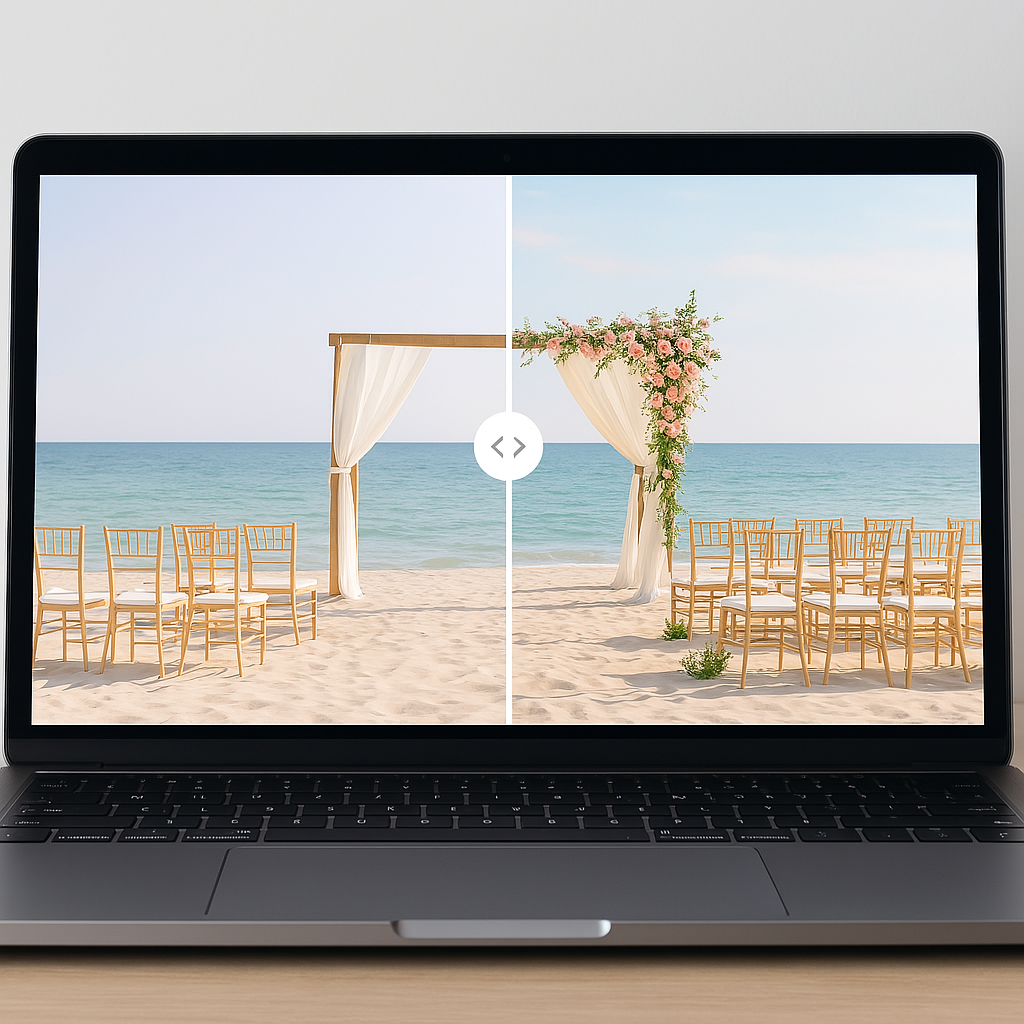
Modern wedding planning has evolved into a complex orchestration of digital coordination, vendor management, and guest communication. The contemporary wedding tech stack is robust but highly fragmented. Couples are simultaneously managing guest logistics, tracking thousands of dollars across multiple vendors, and attempting to design a cohesive aesthetic experience. This multifaceted challenge requires strategic tool selection and intentional integration.
The central paradox of wedding planning in 2026 is that individual applications excel at specific functions, yet the integration gaps between them create immense inefficiency. Couples find themselves manually transferring data from their wedding website to their budget tracker, and from their vendor platform to their design mood boards. These disconnects result in data redundancy and costly miscommunications that ripple through both the planning phases and execution day.
To build a truly optimized wedding tech stack, couples must identify the precise limitations of their current applications and introduce specialized layers to fill those gaps. You cannot rely on a single platform to do everything perfectly. Instead, discover how you can solve visual uncertainty with VenuePreview, a dedicated visualization layer that integrates with your existing tools to ensure your design choices are clearly communicated. This comprehensive guide examines the full spectrum of wedding planning tools available today and demonstrates how to construct a seamless coordination system.
Why Vendor and Guest Coordination Is the Hardest Part of Wedding Planning
Modern weddings have more moving parts than ever
The structural complexity of contemporary weddings has expanded dramatically compared to traditional models. This shift is driven by higher guest counts, multiple venue requirements, and sophisticated logistical expectations that extend far beyond a single day of celebration. Modern couples typically engage with fifteen to twenty-five separate vendors for a comprehensive wedding experience. These include venue operators, catering teams, florists, photographers, videographers, rental companies, and entertainment providers.
Each vendor operates with specific communication preferences, scheduling requirements, and contractual timelines. This creates a coordination challenge that requires strategic orchestration to ensure absolute alignment. The complexity intensifies when couples factor in modern guest management. Guest logistics now encompass in-person attendance tracking alongside digital RSVPs, dietary restriction management, hotel block coordination, and real-time event updates. Couples are frequently balancing demanding careers with this planning workload, increasing their reliance on automation tools just to keep pace.
What real couples say about current planning tools
The lived experience of couples actively planning 2026 weddings reveals a consistent pattern of tool fatigue. While individual planning applications offer valuable functions, the lack of seamless integration forces couples to supplement formal platforms with manual workarounds. Reddit discussions and online planning communities consistently highlight that couples rely heavily on Notion and Google Sheets. They use these customizable documents in conjunction with dedicated planning platforms, treating their spreadsheets as the master source of truth.
Users report significant frustration with built-in checklists on popular platforms because they feel limiting and generic. Many couples praise the concept of an all-in-one app that houses tasks, budgets, and guest lists. However, they routinely note the necessity of exporting data into external spreadsheets for true financial clarity. Common complaints center on duplicated data entry, tools that refuse to talk to each other, and the inability to gain a clear, big-picture view of the entire event.
The coordination gap: where tools fall short
Despite the proliferation of wedding technology, distinct gaps persist in how effectively these tools address the core coordination challenge. Vendor discovery platforms help couples identify and compare professionals through extensive reviews and portfolios. Unfortunately, these same platforms lack the deep automation and advanced filtering required to manage vendors once contracts are signed.
Guest list tools and website builders successfully aggregate RSVP data. However, they frequently fail to synchronize this information seamlessly with seating arrangements, meal counts, or day-of logistics. The most critical disconnect exists between information management and visual execution. Most tools help organize logistical data, but they completely fail to visualize how decisions about decor or layout will actually look and feel for the guests in the specific venue.
Why visual clarity matters for coordination
Without a realistic preview of the fully decorated venue, couples are forced to make speculative decisions that vendors then struggle to interpret. A florist designing centerpiece arrangements and a rental company planning table placements make independent assumptions without a shared visual reference. These unaligned expectations inevitably lead to last-minute changes, stressful emails, and additional costs for fixes or rush orders.
A shared visual reference dramatically reduces back-and-forth communication with vendors. It clarifies guest experience decisions early in the planning process. When you remove the guesswork from your visual aesthetic, you empower your vendors to execute flawlessly while eliminating the risk of costly design clashes.
Core Categories of Wedding Planning Tools You'll Rely On
Wedding websites and guest-facing tools
Wedding websites have evolved into essential coordination infrastructure that serves as the central hub for guest communication. Platforms like Joy, Zola, Wix, and Appy Couple make it incredibly easy to share essential information and set the overall tone of the wedding. These sites centralize registry links, schedule details, and travel updates, helping guests stay informed without constant direct communication from the couple.
The strength of these platforms lies in their ability to reduce repetitive questions. Some platforms offer basic guest list syncing and meal preference tracking. However, couples still report needing additional backend tools for deeper organizational tasks, such as tracking complex household relationships or categorizing specialized vendor meals.
Vendor discovery and management platforms
The Knot and WeddingWire have established dominant positions in the vendor discovery space. They are widely used for finding and comparing vendors through extensive review systems, photo galleries, and filtering options. Couples highly value side-by-side comparisons and real feedback from past clients to validate their hiring decisions.
While these platforms provide substantial value during the discovery phase, their utility diminishes once contracts are signed. To manage ongoing vendor relationships, planners often share comprehensive vendor tracker spreadsheets. These custom documents monitor contract terms, specific deposits, due dates, and preferred contact methods that the larger platforms simply cannot track at a granular level.
Budgeting, contracts, and payment tracking
Wedding budget management remains remarkably resistant to technology disruption. In 2025, data showed the average wedding cost reached $36,000, demanding rigorous financial tracking across multiple categories. Tools like Mint and custom spreadsheets are commonly used for budgeting because they offer familiarity and ultimate flexibility.
Couples and professional planners alike share vendor tracker spreadsheets to categorize payments and avoid missed invoices. A 2019 poll identified spreadsheet-based budgeting as the preferred approach for couples managing finances together, and this preference strongly extends to wedding planning. Reddit discussions consistently show couples building custom spreadsheet layers on top of their planning apps to maintain absolute financial clarity.
Inspiration and design tools
Pinterest maintains an exceptionally strong position as the primary platform for overall wedding inspiration and mood board creation. The platform's visual search capabilities help couples identify broader design systems rather than just isolated photos. Color tools also play a vital role in refining these aesthetics. For example, Pantone identified Mocha Mousse as a significant 2025 trend, providing a structured way for couples to communicate warm brown tones to their florists.
Marketplaces like Etsy are immensely popular for sourcing personalized signage and custom decor elements. The persistent challenge is that couples must still translate this disparate inspiration into cohesive decor plans. A perfectly curated Pinterest board does not show you how those elements will interact inside your specific venue.
Tools Specifically for Guest List, RSVPs, and Seating Coordination
Guest list managers and RSVP systems
The volume of guest data demands systematic tracking to prevent errors and ensure smooth day-of execution. Platforms built into The Knot and WithJoy offer solid built-in guest list functionality tied directly to their website builders. Modern expectations go far beyond basic name storage. Couples require tools that intuitively understand linked households, variable plus-ones, and event-specific RSVPs for multi-day celebrations.
Despite these features, real users note a persistent limitation. Many of these systems trap the data within their ecosystem, requiring manual exports to execute deeper tasks. You cannot easily map dietary restrictions directly to a catering layout without exporting the list and manipulating it elsewhere.
Spreadsheets vs. dedicated guest tools
Excel and Google Sheets remain surprisingly common for guest management because they are highly customizable. A spreadsheet allows a couple to build exact columns for niche requirements that a pre-built app might miss. However, spreadsheets require constant manual updates, do not auto-sync with incoming digital RSVPs, and can become entirely overwhelming as the guest count grows.
To compensate for missing automation, users routinely pair a guest app with a master spreadsheet. This hybrid approach captures the strengths of automated RSVP collection while retaining the deep customization required to track complex family dynamics and precise meal requests.
Seating charts, floor plans, and on-the-day logistics
Specialized seating chart tools help visualize table assignments and room layouts to ensure comfortable guest flow. Event professionals frequently mention tools like Social Tables to manage complex spatial setups. These platforms allow couples to assign specific seats, balance table demographics, and ensure adequate spacing between dining areas.
Yet, these spatial layouts remain fundamentally abstract. A floor plan captures the geometry of tables and chairs, but it completely ignores the decorated ambiance your guests will experience. It cannot tell you if a tall floral centerpiece will obstruct the view of the sweetheart table or if the lighting design will create harsh shadows across the dining area.
Why guest coordination still feels fragmented
The fundamental reason guest coordination feels fragmented is that logistical data is stored separately from visual and design decisions. Couples struggle to understand how guest count, table layout, and decor interact in physical space. For instance, determining whether large centerpieces will physically overwhelm a small table seating ten guests is impossible using just a spreadsheet.
A truly seamless approach must bridge guest logistics with a realistic picture of the space they will occupy. Until logistics and visual design are connected, coordination will always require a degree of guesswork.
Tools That Keep Vendors Aligned and On Schedule
Project management and coordination platforms
Wedding planners and event professionals often use enterprise-grade tools like Asana, Monday.com, or Airtable to track timelines and responsibilities. These tools excel at assigning granular tasks, setting strict due dates, and establishing dependencies across different vendor teams.
For couples planning without a full-service coordinator, adopting a lightweight project management tool drastically reduces mental load. By centralizing tasks in a dedicated system, couples can visualize critical path items and identify potential bottlenecks before they cause cascading delays.
Appointment scheduling software for vendor and planner meetings
Scheduling platforms such as Calendly simplify the process of booking consultations and site visits. By eliminating the endless back-and-forth emails regarding availability, couples reclaim hours of valuable planning time. Features including calendar sync, automated reminders, and video call integrations are exceptionally helpful for remote couples managing destination weddings.
When planners and vendors adopt these tools, couples simply click a link to secure time on their calendar. This completely removes friction and miscommunication, allowing meetings to focus purely on creative and logistical alignment.
Communication and file-sharing habits that help (and hurt)
Email threads, shared Google Drive folders, and scattered text messages remain the primary ways couples share inspiration with vendors. Without a deliberate structure, this communication sprawl creates serious risk. Vendors may end up working from outdated mood boards or incomplete design briefs stored in an overlooked email attachment.
Establishing clear visual documents and maintaining a single source of truth reduces last-minute clarifications. Couples must ensure every vendor is referencing the exact same aesthetic outcome, otherwise the overall design will inevitably fracture.
The blind spot: vendors guessing at your décor vision
A critical challenge emerges when vendors are forced to guess at your decor vision. Florists, rental companies, and lighting designers interpret abstract inspiration boards differently based on their specific domain expertise. An image described as "romantic" might mean heavy floral installations to a florist, but dramatic uplighting to an audiovisual team.
Historically, the only way to align these interpretations was through expensive physical mockups or paid venue staging. There is an urgent, growing need for tools that translate abstract preferences into venue-specific, photorealistic visuals that every vendor can trust implicitly.
Where Traditional Tools Stop: The Gap Between Plans and What Your Venue Will Actually Look Like
Checklists and trackers can’t show you the room
Most planning platforms are highly effective at tracking budgets and managing task lists. They absolutely fail at showing your actual venue in its fully decorated state. Couples are forced to rely on their imagination or generic inspiration images that do not match their specific space, natural lighting, or architectural scale.
This visual gap makes it incredibly difficult to know if decor choices will actually work. You cannot calculate whether a specific floral style will clash with your venue's existing wallpaper using a budget spreadsheet or a task manager.
Vendor misunderstandings lead to costly décor mistakes
When vendors lack a shared visual reference, expensive mistakes happen. A rental company might deliver round tables while the florist designed linear centerpieces meant for long banquet tables. Without a unified, venue-specific visual to guide them, couples often over-order linens or under-order structural decor pieces.
Fixing these issues closer to the wedding date guarantees premium rush fees. In worst-case scenarios, couples must accept disappointing substitutions and settle for a design that is merely "good enough" because the budget cannot accommodate last-minute corrections.
Why generic 3D renderings and moodboards aren’t enough
Generic 3D software rarely matches the actual venue windows, ceiling heights, or unique lighting conditions without requiring expensive architectural inputs. Rough mockups are equally flawed because they lack the photorealism needed to make confident micro-decisions about texture and color.
Pinterest boards only show inspiration from other people's weddings. They never show what the real space will look like during your specific wedding time and theme. Couples need visuals that are simultaneously photorealistic and tied directly to their chosen physical space.
The opportunity: add a visualization layer to your planning stack
Instead of trying to replace functional planning tools like Zola or comprehensive spreadsheets, the strategic solution is to add a dedicated visualization layer. A visualization layer integrates directly into your existing workflow to answer one paramount question: "What will our venue actually look like on the day?"
Once you answer that question visually, every other vendor and logistical decision snaps into focus. Visual clarity removes the anxiety of the unknown, empowering couples to finalize contracts with absolute confidence.
Introducing VenuePreview: The Visualization Layer Your Wedding Toolkit Is Missing
What VenuePreview is (and what it isn’t)
VenuePreview is an AI-powered wedding venue visualization service that turns standard photos of empty spaces into fully decorated, photorealistic scenes. It bridges the gap between your logistical data and your aesthetic execution. VenuePreview is not a general photo editor, nor is it a clunky virtual reality walkthrough tool. It is also not a full wedding planning app. It focuses exclusively on executing perfect venue visualization.
Designed to sit seamlessly alongside your existing websites and spreadsheets, VenuePreview provides the visual intelligence necessary to guide decor and layout decisions. You can explore our venue visualization process to see how it operates as the missing piece in the modern planning stack.
How VenuePreview works step by step
The process is engineered for rapid decision-making. First, you upload 1 to 3 photos of your empty or undecorated venue directly into the web application. Next, you browse and select from highly curated, pre-made style templates and color schemes that match your specific wedding aesthetic.
From there, VenuePreview's proprietary AI generates between 40 and 200 photorealistic visualizations of your venue fully decorated according to your selected styles. You then review the variations, select your absolute favorites, and download high-resolution files to share with every vendor involved in your execution plan.
Key features that transform vendor and guest coordination
The core benefit of our AI venue visualization is that it shows your exact space transitioning from an empty room to a dream wedding. This ensures every vendor is aligned on the final look. Because the system generates multiple style variations, you can accurately compare different approaches for florals, lighting, colors, and spatial layouts before committing a single dollar to a deposit.
Fast delivery is a crucial component of the product. Visualizations are completed in just 10 to 25 minutes, fitting perfectly into aggressive planning timelines. Easy downloading and sharing tools make it simple to distribute these visuals, establishing them as the single source of truth for your entire vendor team.
Who benefits most from VenuePreview
Engaged couples operating in the 3 to 12 month pre-wedding window find immense value in the platform. It is particularly effective for those deciding between multiple venues or struggling to imagine how decor will transform a blank-slate space. Weddings in the $25,000 to $75,000 range benefit substantially because decor, rentals, and florals represent massive investments, making design mistakes incredibly costly.
Additionally, industry professionals leverage the platform daily. Planners, designers, and photographers use VenuePreview as a realistic reference point to plan dynamic shots, validate complex floor layouts, and anticipate logistical hurdles before the event day arrives.
Packages, Pricing, and How to Use VenuePreview with Other Wedding Tools
Clear, one-time packages for every planning stage
VenuePreview operates on a straightforward, one-time purchase model designed to support different stages of the planning journey. The Basic package at $19 delivers 40 unique visualizations based on 2 style variations within 10 to 25 minutes, providing an ideal solution for quick venue checks or early planning validation.
For couples actively comparing several detailed decor directions, the Premium package at $29 offers 100 visualizations across 5 style variations. This tier also includes priority support and specialized vendor sharing tools. For comprehensive design exploration, the Luxury package at $49 provides 200 visualizations across 10 style variations, priority support, vendor sharing features, and the ability to request custom aesthetic styles. You can easily compare VenuePreview packages for your wedding to find the perfect fit.
Using VenuePreview alongside Zola, The Knot, and guest list tools
You should absolutely keep using your existing tools for checklists, vendor discovery, and RSVP management. VenuePreview is explicitly designed to complement these applications. Once you have generated your preferred VenuePreview images, you simply embed them on your wedding website to give guests a preview of the ambiance.
More importantly, you should drop these visualizations into your vendor email threads. Using these photorealistic images to guide your seating arrangements allows you to implement layouts in your guest list tools that actually complement the physical decor scale.
How VenuePreview reduces décor risk and saves money
By seeing your venue exactly as it will look before you spend your budget, you completely avoid over-ordering rentals or choosing decor that clashes with the venue architecture. Visualizing multiple styles allows you to confidently rule out ideas that fail to translate into physical space before you pay non-refundable retainers.
This advanced visual validation drastically reduces the need for expensive physical mockups. The cost of a VenuePreview package is a fraction of the price of a single rush fee for replacing misaligned linens or mismatched floral centerpieces.
When to add VenuePreview to your planning timeline
You should utilize VenuePreview early during the shortlisting phase to compare how different empty spaces transform into your specific wedding style. This visual data points you toward the venue that requires the least corrective decor.
You should also revisit the platform a few months out to finalize color palettes and lighting choices. Finally, sharing these images with your coordinator and venue staff as part of your master wedding brief guarantees that every vendor executes their responsibilities with absolute precision.
Building Your Modern Wedding Toolkit for Flawless Execution
Build your ideal toolkit around your planning style
Building a functional coordination system requires layering the right specialized tools. Start by combining a robust wedding website with a dedicated guest list manager, a familiar budgeting app, and a simple task tracker. Add custom spreadsheets only where strict financial control or granular payment tracking is absolutely necessary.
Once your logistical foundation is secure, layer VenuePreview on top to inject visual intelligence into your stack. This single integration translates your endless checklists into a definitive, photorealistic picture of your actual wedding day.
Use visualizations as the central reference for vendors
Attach your downloaded VenuePreview images directly to vendor contracts, planning briefs, and update emails. Declare these images as the ultimate single source of truth for all decor execution. Review these images together during site walk-throughs to verify backdrop placement, table orientation, and focal points for your photographer.
When you notice a visual layout working well in VenuePreview, update your floor plan tools to reflect that reality. Adjusting table counts or widening aisles based on visual evidence prevents physical bottlenecks during the reception.
Planning with confidence instead of guesswork
Seeing your specific wedding space fully decorated fundamentally shifts your mindset. It replaces the anxiety of hoping it all turns out well with the profound confidence of knowing exactly how it will look. This confidence naturally transfers to your vendors, allowing them to execute with greater speed and precision.
By deliberately bridging your logistical planning apps with advanced venue visualization, you create a truly seamless coordination ecosystem. Your guests will ultimately experience a cohesive, professionally designed event that flows perfectly from the first RSVP to the final dance.
Next steps: put VenuePreview into your plan today
Take a moment to identify your current coordination pain points. Whether you are dealing with venue indecision, decor uncertainty, or vendor confusion, there is a visualization package designed to solve it. Gather one to three well-lit photos of your empty venue and compile a shortlist of the styles you wish to explore.
Start visualizing your venue right now so that every subsequent vendor decision is anchored in a realistic, undeniable picture of your dream wedding. Eliminate the guesswork and take control of your design today.
Ready to Visualize Your Wedding Venue?
See exactly how your venue will look on your wedding day with AI-powered visualizations. Get started in minutes with packages starting at just $19.